Becoming an Oral Historian
"I had a gut sense for how to interview people, and plenty of curiosity."
1/5/20262 min read
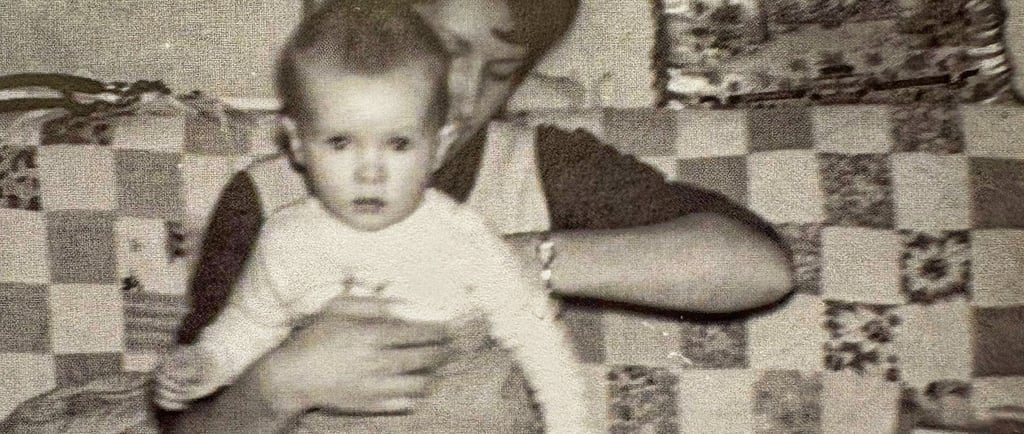
I’m not sure where my interest in the stories that people tell got started but I suspect it was with my mother. Even though we had plenty of books around, at bedtime I would often ask my mother, “can you tell me a story about when you were a little girl on the farm?” And she always had a story.
When I grew up, I found myself gravitating to real stories that were told by real people, talking about ways of life that were very different from mine. Those differences were things like, where they were located, the times they had lived through, or the difficult circumstances of their life. These were often people who were much older than me, and I was always interested in their wisdom, and stories of how they had learned to survive and navigate their way.
I was inspired by the Foxfire Books, and Studs Terkel, who I would later learn was what’s called an ‘oral historian’. In the fall of 2024, I left my job (I had been doing street-level community work for 15 years) and I was considering what the next chapter of my life would look like. In conversations with myself, and more importantly, with my wife, I could see that some elements of oral history work had been a constant through my life.
I was quick to pull out a little cassette recorder whenever I could sit down with an older relative or friend. I remember working on documentaries about people who had been overlooked, or recording interviews for writing projects, and realized I had been an oral history dabbler but I had never approached this as serious work, and had never had proper training. I had a gut sense for how to interview people, and plenty of curiosity about hearing a person’s story, but I needed to understand a more professional approach to oral history before reaching out to potential interview subjects. This felt like the right time to learn more about oral history methods, and things like equipment and ethics.
I encountered Dr. Angela Maye-Banbury (Achill Island, Ireland) through an online workshop and that opened up the possibility of capturing these missing pieces, and receiving some encouragement for my journey of learning. The experience of recording oral history interviews is something that gives me joy, and I’ve seen how being heard can enrich the life of a person being interviewed. Some words that have inspired me are from Bernie Glassman, a Zen Peacemaker. He said the greatest gift that we can give to another human is to “listen that person into existence.”